UNESCO Studio Cairo
The Nile River and its metropolitan and territorial interfaces
upcomingThe UNESCO Chair in Urban Landscape at the Université de Montréal is preparing the next edition of its international UNESCO Studio, to be held in Cairo in spring–summer 2027. This initiative serves as a platform for advancing collaboration between academic, institutional, and private actors engaged in the governance and transformation of urban and territorial systems, in alignment with UNESCO’s priorities in sustainable development, cultural heritage, knowledge-sharing, and the fight against racism and discrimination.
The Cairo edition builds on a series of studios conducted in Hanoi, Phnom Penh, Montréal, and New Orleans, developed around the strategic theme of continental rivers as socio-ecological, cultural, and infrastructural systems. This trajectory contributes to a broader research and action program on rivers, including the Rivers in Commons Initiative, grounded in a One Health approach that recognizes the interdependence between human, environmental, and ecosystem health. In 2027, the Studio will focus on the Nile River and its metropolitan and territorial interfaces, positioning Cairo as a key site to examine how water quality, urban form, biodiversity, public space, and infrastructure systems interact to shape health outcomes across populations and ecosystems. Particular attention will be given to the relationships between river management, urban development patterns, exposure to environmental risks, and access to healthy and inclusive living environments.
More broadly, this work contributes to UNESCO’s core objectives, including the advancement of the Sustainable Development Goals—particularly SDG 6 (water), SDG 11 (sustainable cities), and SDG 13 (climate action)—as well as the protection of heritage, the promotion of cultural diversity, and the strengthening of international scientific cooperation. The Studio also aligns with UNESCO’s emphasis on interdisciplinary approaches and the co-production of knowledge across regions and sectors.
The UNESCO Studio is structured as a collaborative and action-oriented framework. It brings together graduate students, researchers, public institutions, and international partners through a combination of fieldwork, analytical research, design exploration, and public engagement. The objective is to generate situated knowledge that can inform both academic discourse and policy development, while supporting capacity building and long-term cooperation.
Outputs
The 2027 edition will lead to a series of concrete outputs designed to maximize impact across academic, institutional, and operational contexts:
- A set of policy-oriented briefs addressing key challenges related to the Nile and metropolitan Cairo
- Design research outputs and spatial prototypes exploring alternative scenarios for riverine and urban development
- Joint academic publications and comparative analyses across the network of continental river studios
- Public-facing materials and events aimed at disseminating results to a broader audience and supporting stakeholder engagement
Collaboration
For academic partners, the Studio offers opportunities for joint teaching, research collaboration, and comparative work across diverse geographical contexts. For institutional and private actors, it provides a platform to engage with emerging knowledge, support international dialogue, and contribute to the articulation of shared responses to global urban and environmental challenges.
The 2027 edition seeks to mobilize a network of committed partners aligned with these objectives. Contributions may take the form of academic participation, institutional support, facilitation of local partnerships, financial engagement, or involvement in dissemination and policy dialogue.
Current partners are invited to confirm their continued engagement. Institutions and organizations interested in joining are encouraged to express their interest at this stage, in order to contribute to the framing and development of the Studio.
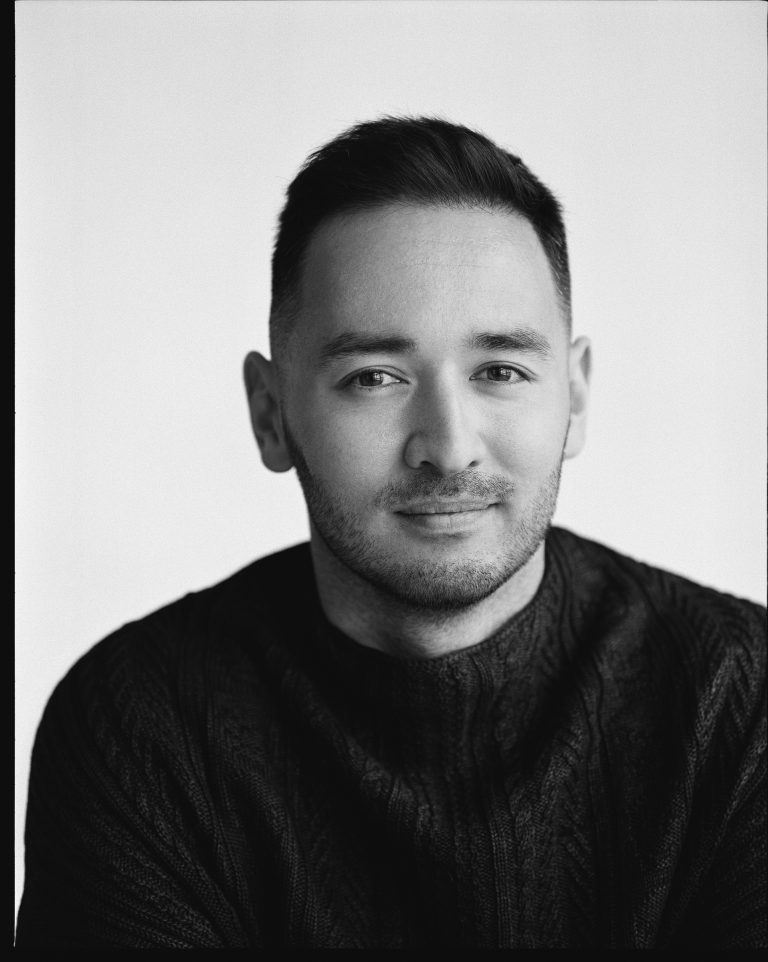
For further information or to express interest, contact Prof. Shin Koseki, UNESCO Chair in Urban Landscape — Université de Montréal: shin.koseki@umontreal.ca
Further information regarding the program, governance framework, and modalities of collaboration will be communicated in the coming months.